

Monitoring
The monitoring aspect aimed to measure the impact of the various ecological control methods we tested within the project. We particularly wanted to establish the effect of applying the various techniques to:
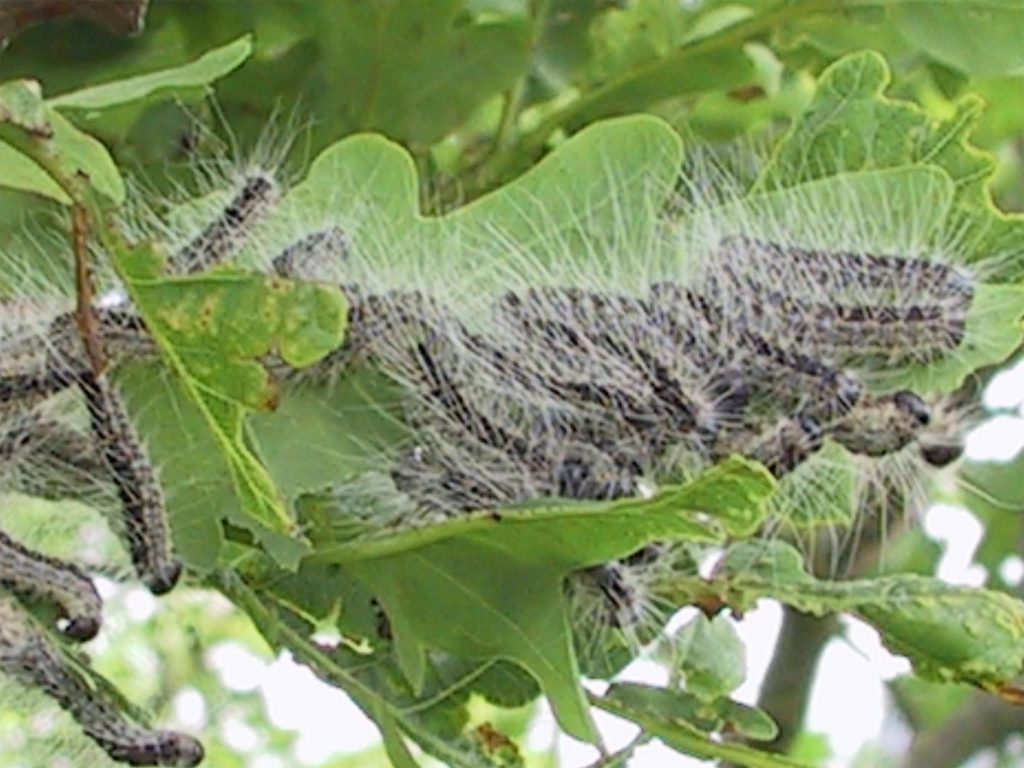
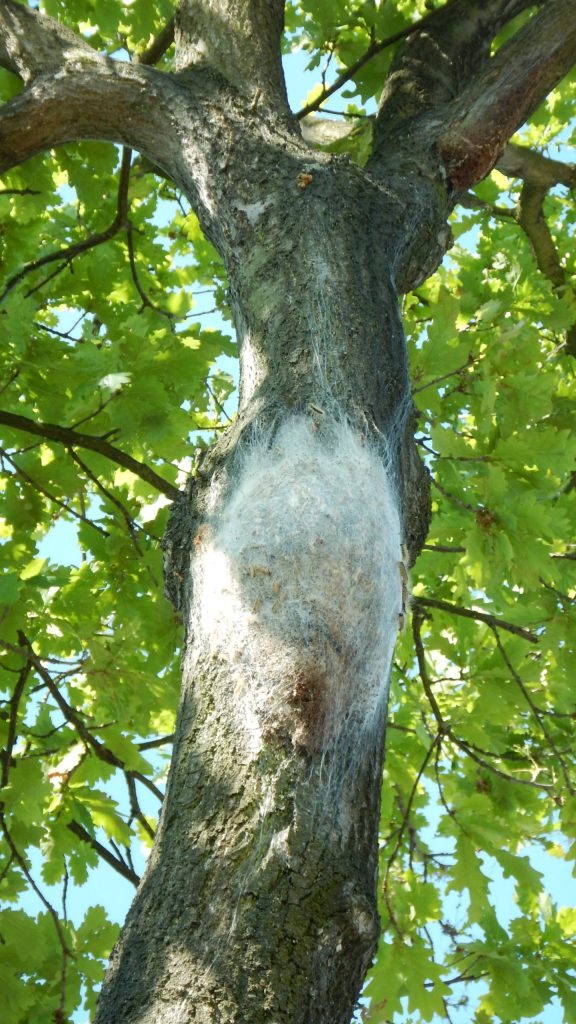
Monitoring the effect of the three ecological control techniques on the numbers of the oak processionary
We expected the control techniques that we tested (attracting tits, attracting parasitoid wasps and flies, releasing the forest caterpillar hunter and common ivy) to reduce the population size of the oak processionary. It was, however, important to gain insights into the extent of these effects, the effectiveness of the various methods and to be able to compare them in order to ascertain which method is suitable for which type of location.

In concrete terms, this meant measuring the size and number of oak processionary nests every year, during the summer months. We did this first prior to the start of the trials in order to establish a baseline measurement. This type of measurement took place at locations where one of the ecological control methods was applied, and also at control locations with colonized oaks, but where no control methods were used. This enabled us to measure and compare the impact of the various methods. The ultimate result was processed statistically and served as input for the decision matrix that we ultimately created.
What did we learn from monitoring the ecological management techniques?
A summary of the results from the various research themes can be found here:
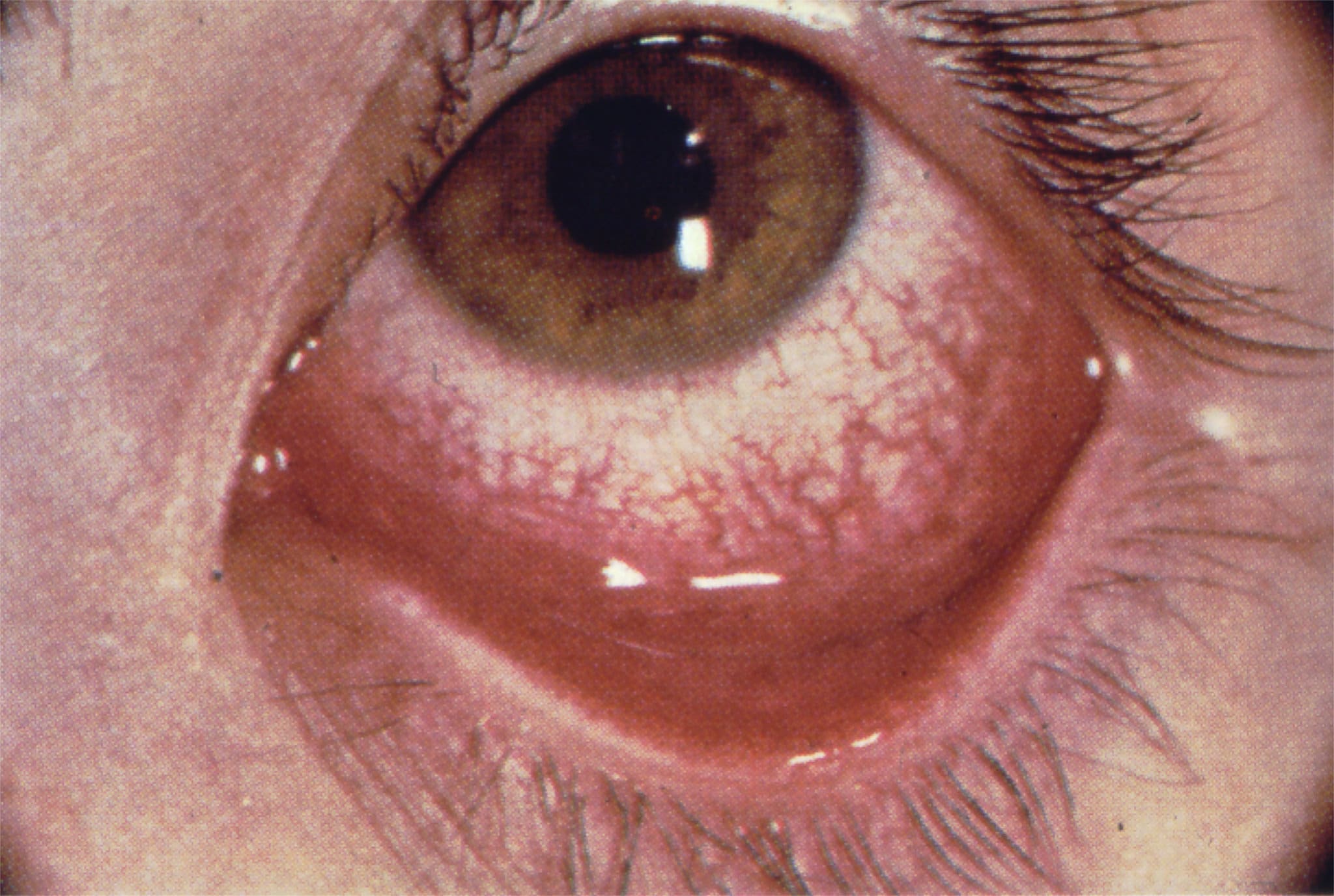
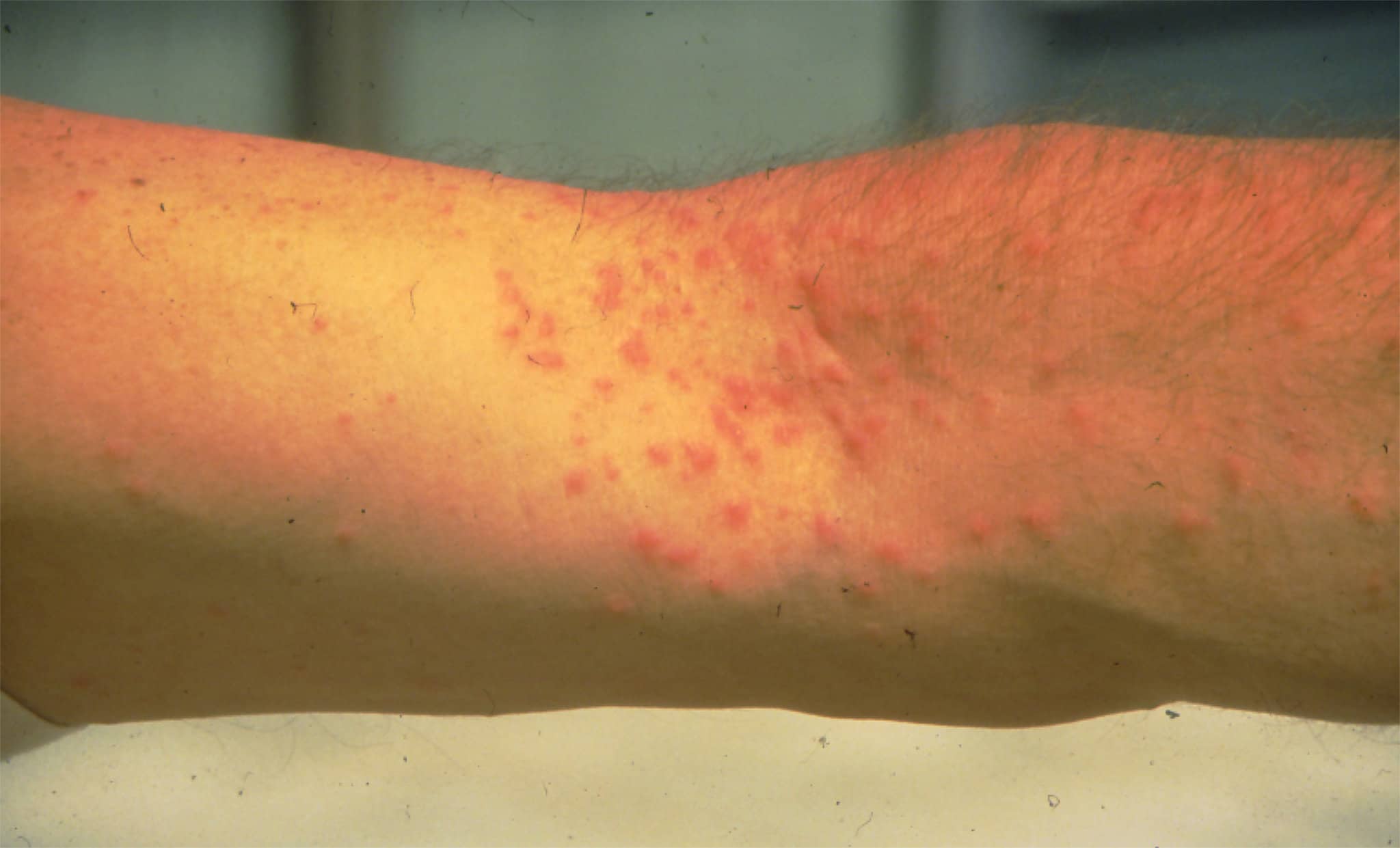
Monitoring the health impact caused by the oak processionary
Before the start of the trials, in the summer of 2020, we are gathering data from 600 doctors in Flanders and the Netherlands, regarding reported health issues relating to the oak processionary. This will also be used as base data. The data collection process will take place in collaboration with INTEGO (Flanders) and NIVEL (the Netherlands).
For the duration of the project, and also for five years thereafter, we will analyse whether and to what extent the number of health complaints relating to the oak processionary reduces.
We will also try to check whether there are regional variations relating to the locations where more or fewer ecological control methods were used.
What did we learn from monitoring the health impact?
An important caveat to the method used is that symptoms such as itching and redness are common allergic reactions after contact with a foreign substance, not typical of oak processionary. The available data doesn’t tell us exactly what caused the symptoms. This makes it difficult to connect them to the presence of the oak processionary or the effectiveness of the pest control measures
Further reading
Monitoring the use of biocides
The use of BT (Bacillus thuringiensis)
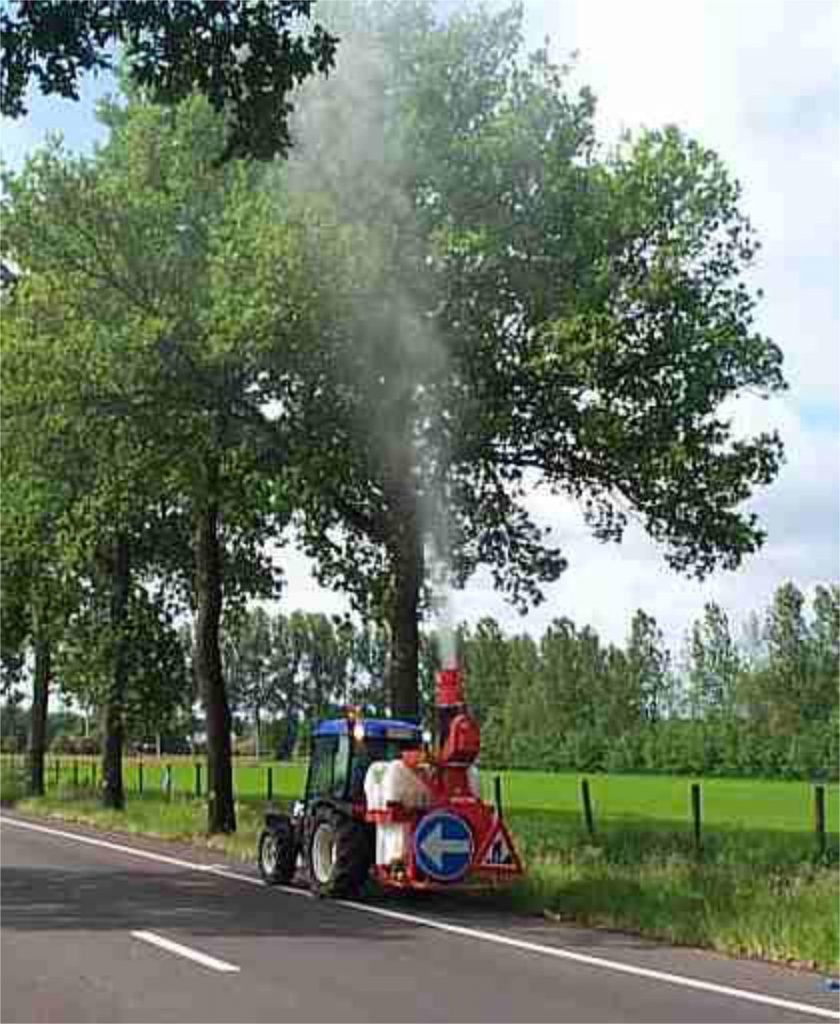
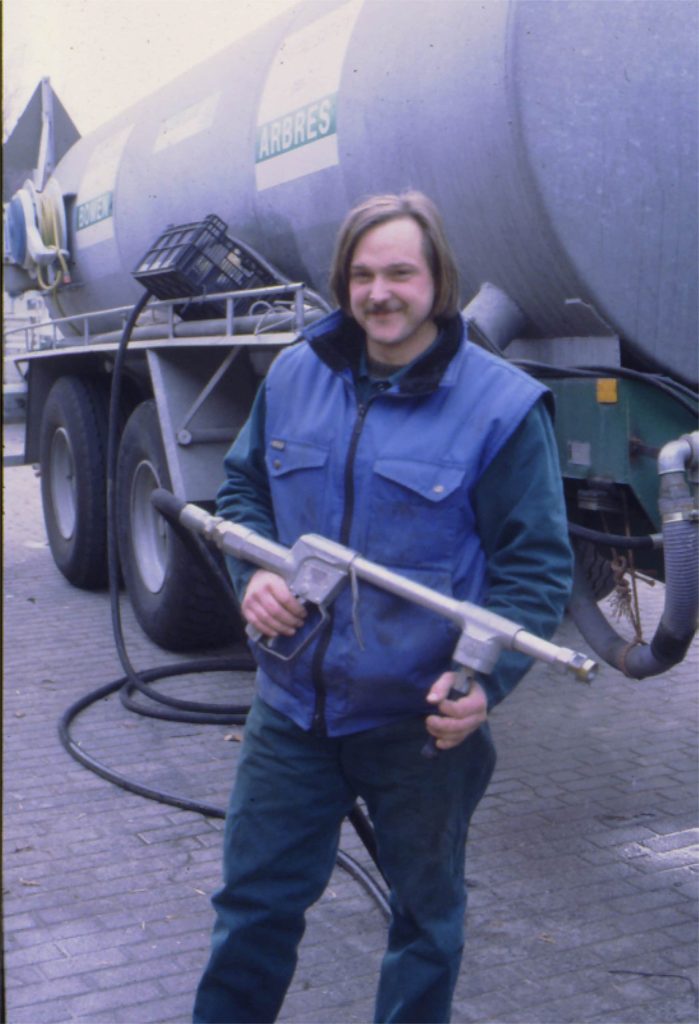
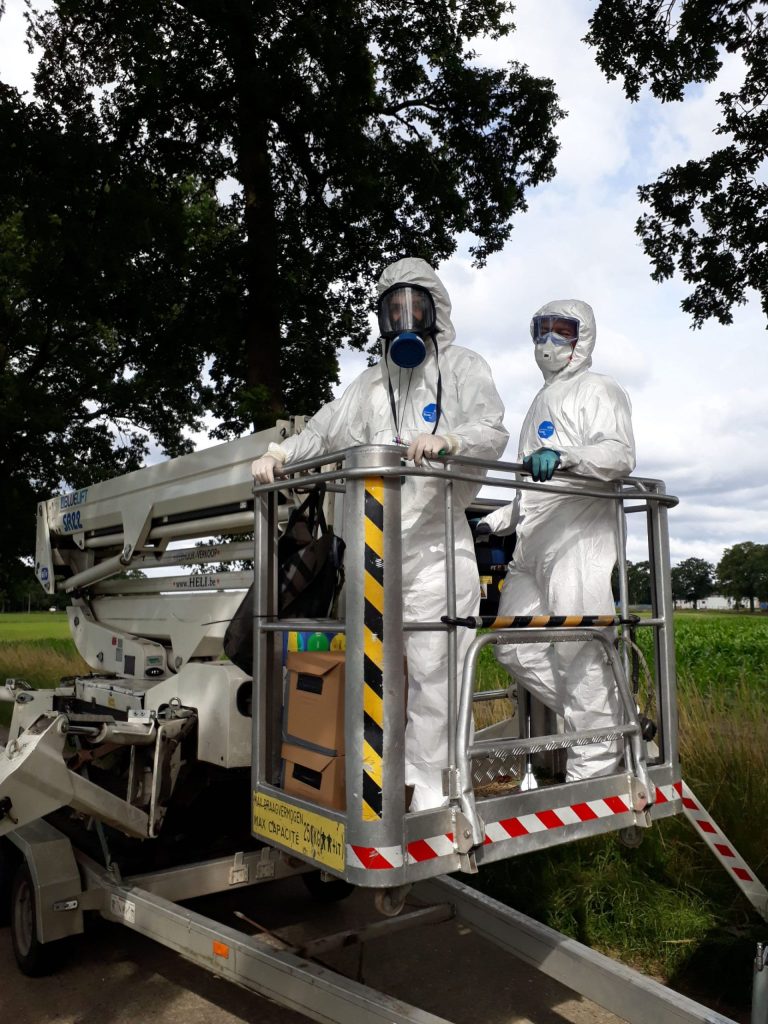
In 2018, no less than 2,053 kg of BT was used in Flanders and the relevant Dutch provinces. BT is a biocide (insecticide) based on Bacillus thuringiensis and is known under the names Xentari and Foray 48B, among others. This type of insecticide, however, can also kill non-target animals, including various insects and rare butterfly species. They are clearly harmful for biodiversity.
According to EU directive 2009/128/EC, the use of pesticides by Belgian or Dutch government services is no longer permitted and BT itself is no longer permitted for use within the EU. At the moment, in order to use the product, Belgian provinces must apply for a temporary permit from the federal government each year. They are thus permitted to use BT at locations where oak processionary caterpillars/moths cause the greatest health issues. Currently, BT is the most ecological product on the market. From 2020, a new product (Neemprotect) has been approved for use as a biocide to tackle the oak processionary.
Monitoring the BT usage
In 2020, at the start of this project, we will set out the basic data relating to biocide usage in the project’s region. To this end, we will question the Flemish Environment Agency (VMM), which monitors pesticide usage in Flanders, and the Association of Dutch Municipalities (VNG), which covers the situation in the Netherlands. Each year, we will request new data and evaluate the evolution of biocide usage on this basis.
Our ultimate goal is to reduce biocide usage by 50% during the project period by convincing all stakeholders to realise a large-scale shift towards ecological control methods, and by ensuring this is included in the official guidelines.
What did we leaen from the BT monitoring?
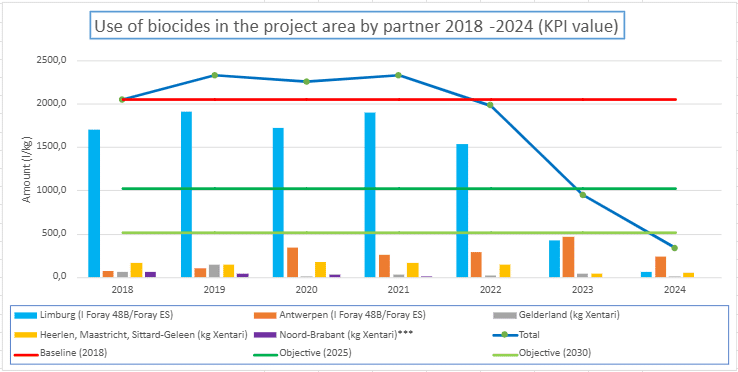
In addition to extensive awareness-raising, the decrease in pest pressure in 2023 also very likely contributed to the reduced use of biocides