

Socio-economic study
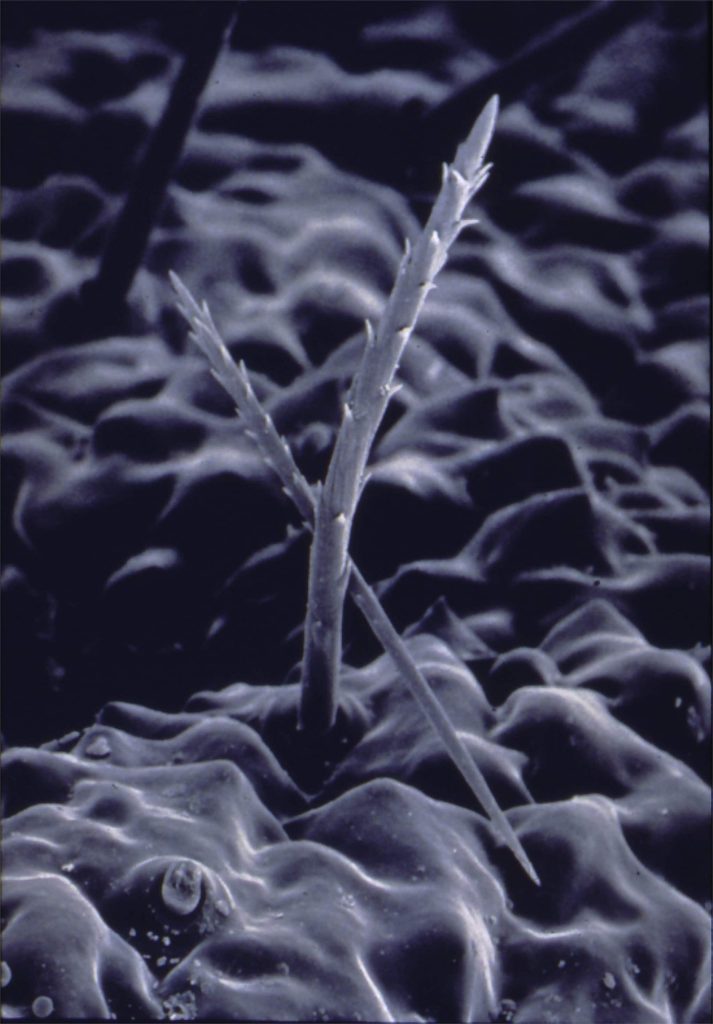
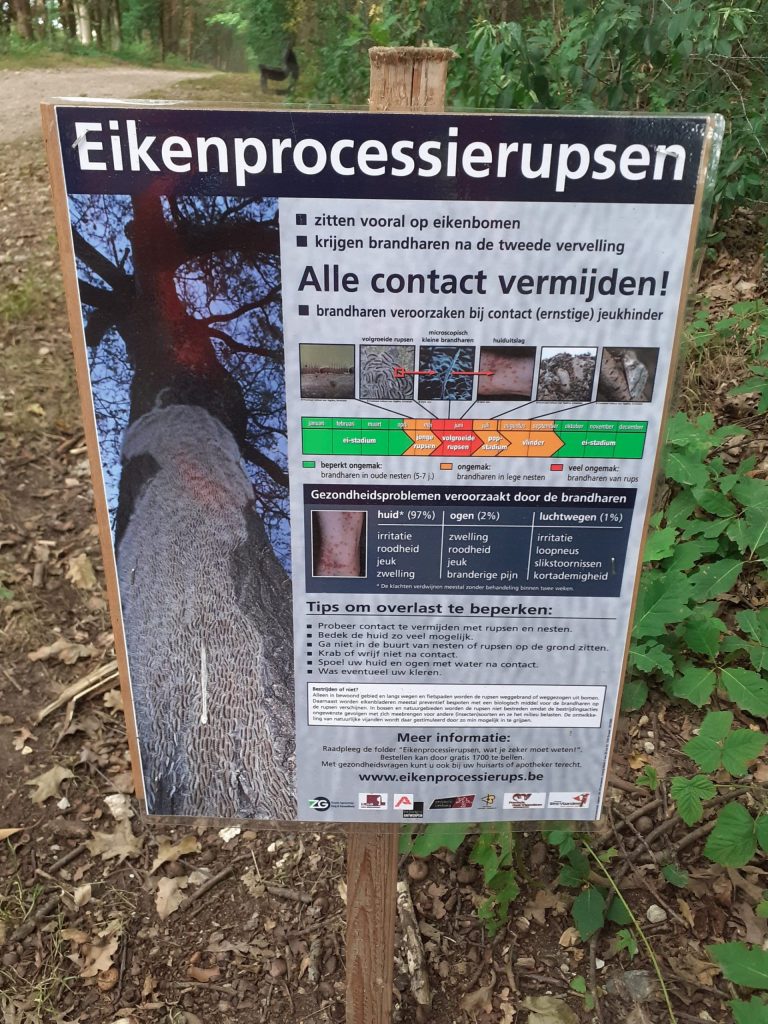
Oak processionary caterpillars cause a whole range of damaging effects. As well as health issues, such as itching and eye and airway problems, the caterpillars also cause indirect problems including damage to oak trees, illness in pets and livestock, and the closure of camp sites, festivals, outdoor hospitality facilities and cycling and walking paths. In short, the oak processionary has a major socio-economic impact.

Socio-economic cost of the oak processionary
To gain a better understanding of the costs caused by oak processionary caterpillar infestations, this project also included a socio-economic impact study. This study aimed to determine the financial impact of oak processionary caterpillar management.
Cost/effectiveness analysis of the various control methods
We also investigated the cost of applying the various management methods. We included the costs of materials, supplies, and labor, and compared the cost of the various ecological management methods with each other and with the current cost of controlling pests using biocides.
The effectiveness (i.e., the reduction in oak processionary caterpillar numbers) of the various methods was assessed in a cost-benefit analysis.
We expect the ecological methods to significantly reduce labor costs, as they are much less labor-intensive.
The indirect costs—the impact on biodiversity of the various methods—were also mapped out.
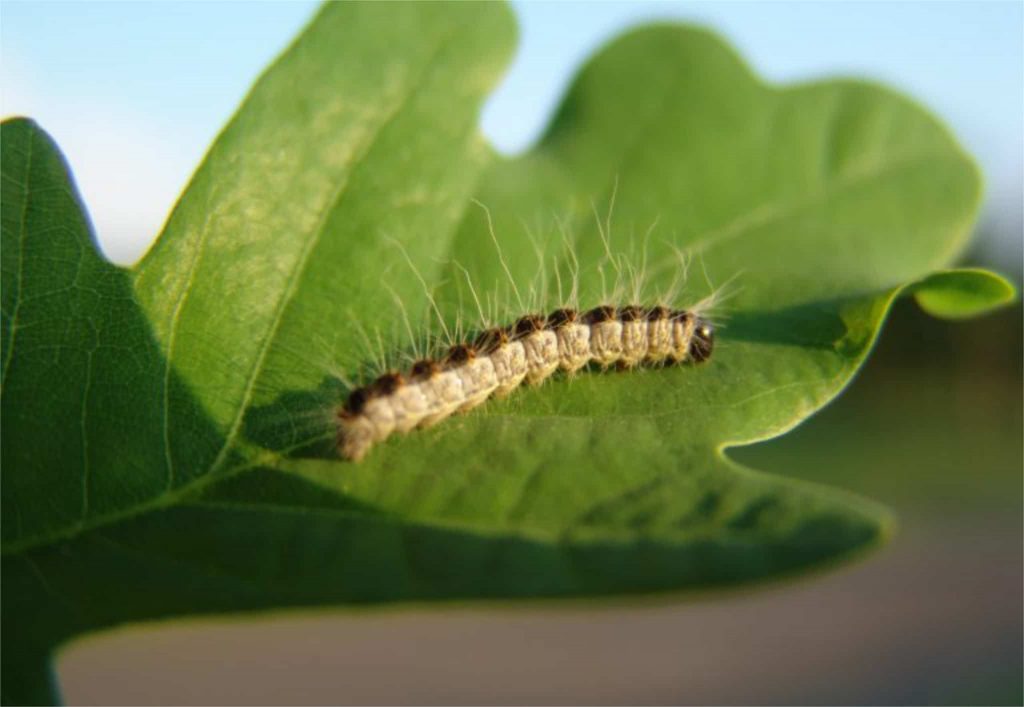
To obtain the necessary data for the study, we consulted our Ambassador Community, 35 municipalities from the five provinces in the project area, who agreed to respond to an annual questionnaire about their oak processionary management.
What did the socio-economic study teach us?
The extensive survey among the ambassador community provided us with insight into the costs of various management methods and strategies used by the municipalities and the evolution of the associated costs over the four-year period.
Regarding the various strategies used—combinations of preventive, curative, and/or alternative measures—one important finding is worth noting: the municipalities that use only curative measures (such as vacuuming) spend only 45% of the budget of those who use both preventive and curative measures. This means that, regardless of the unit price and practical difficulties, it would be more efficient to invest in curative measures than in the more damaging preventive measures.
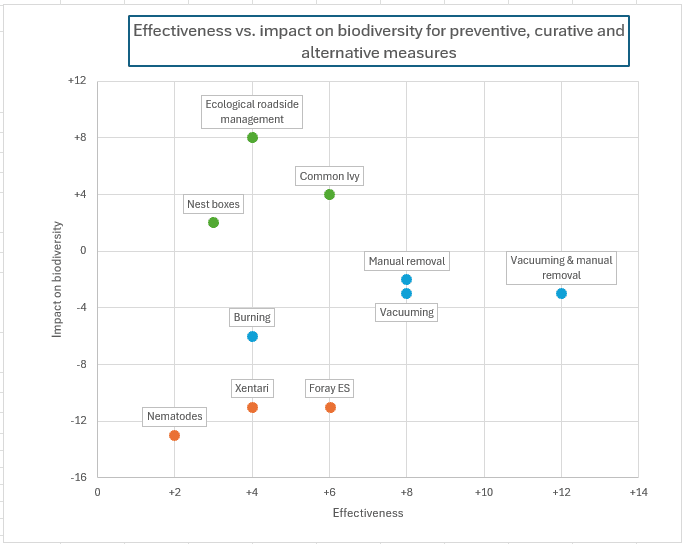
The analyses of cost vs. effectiveness and the impact on biodiversity show that: