

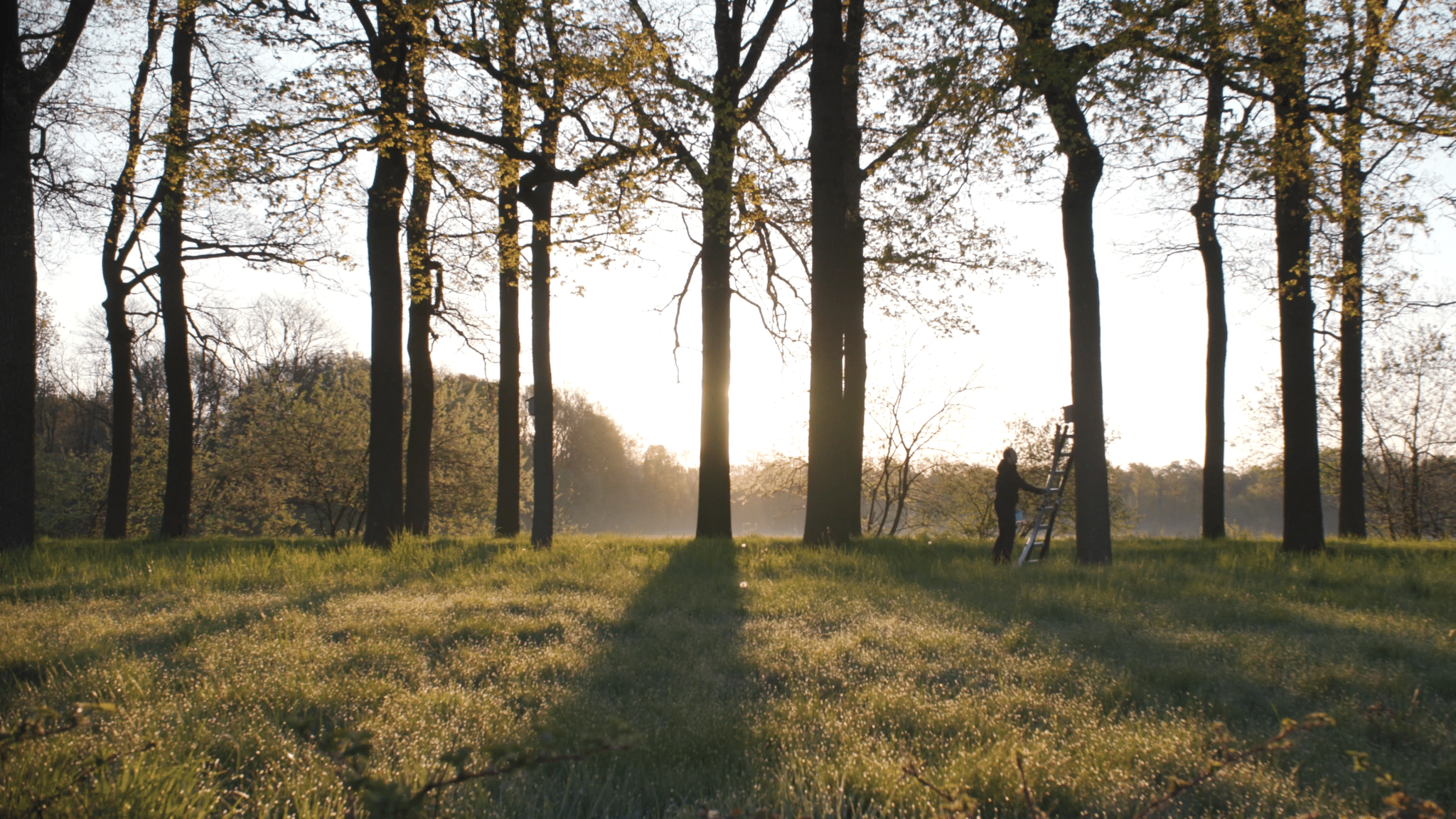
LIFE Oak Processionary – a retrospective
What has five years of LIFE Oak Processionary taught us?
The Oak Processionary LIFE project is in its final phase, the phase in which we like to look back on how it all began, the adventures we’ve encountered, and what we’ve achieved over the past five years.

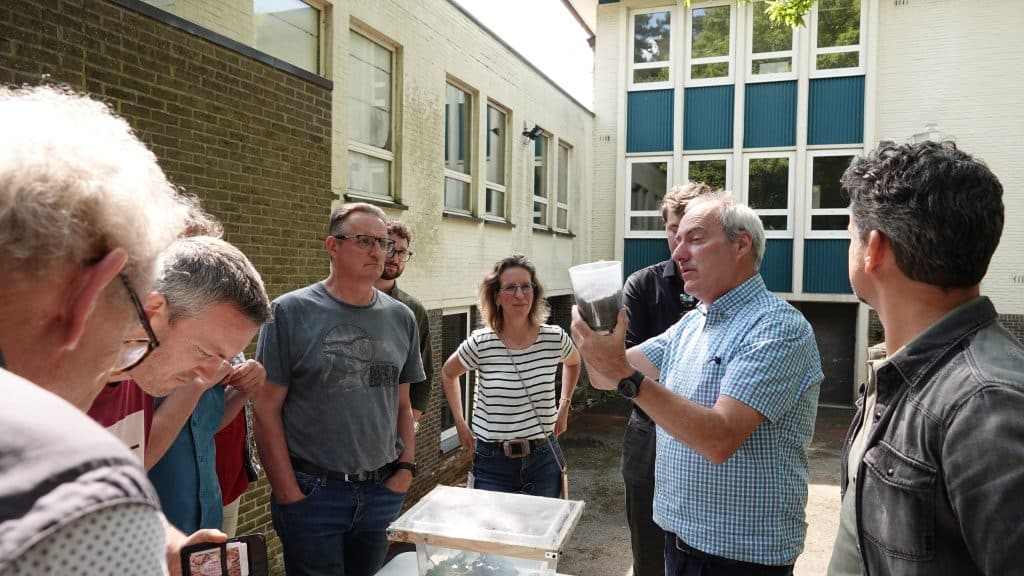
And that’s quite something:
- Thanks to the project team’s continued efforts, we were able to reduce biocide use by 85% within the project area.
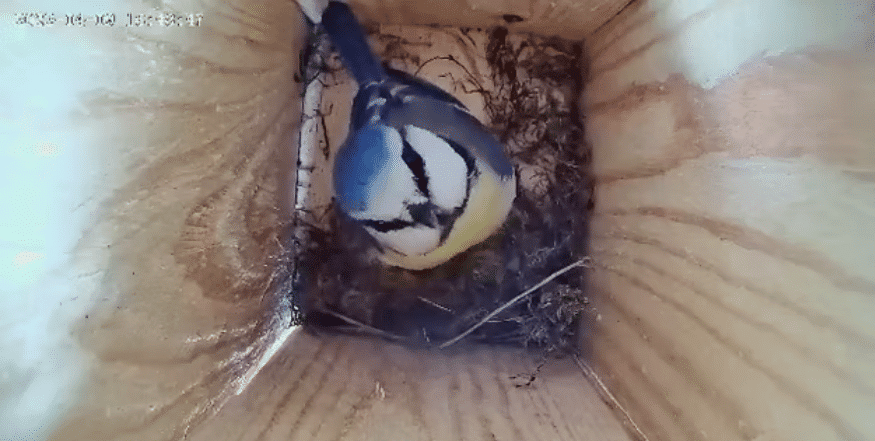
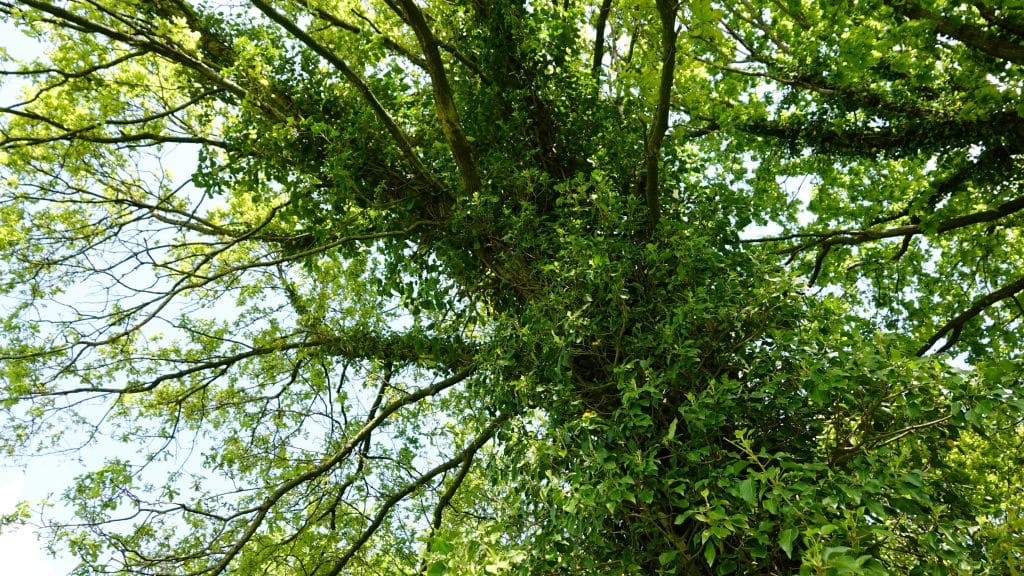
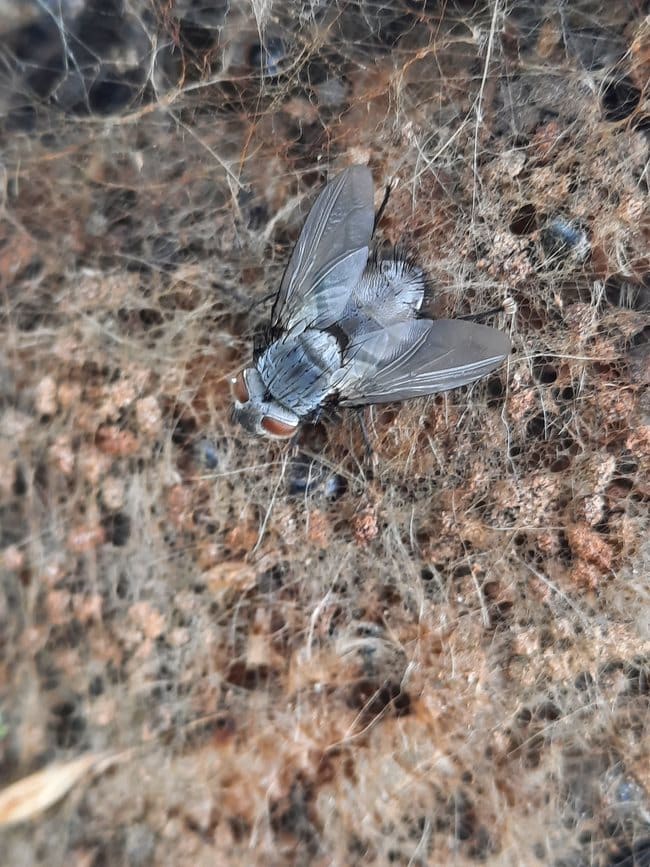
- We demonstrated that providing nest boxes can reduce oak processionary populations by 70% within four years; that parasites such as parasitic wasps and flies reduce caterpillar nuisance by on average 70%, and up to 90% in naturally managed roadside verges; and that ivy on trees significantly reduces both the number and size of nests.
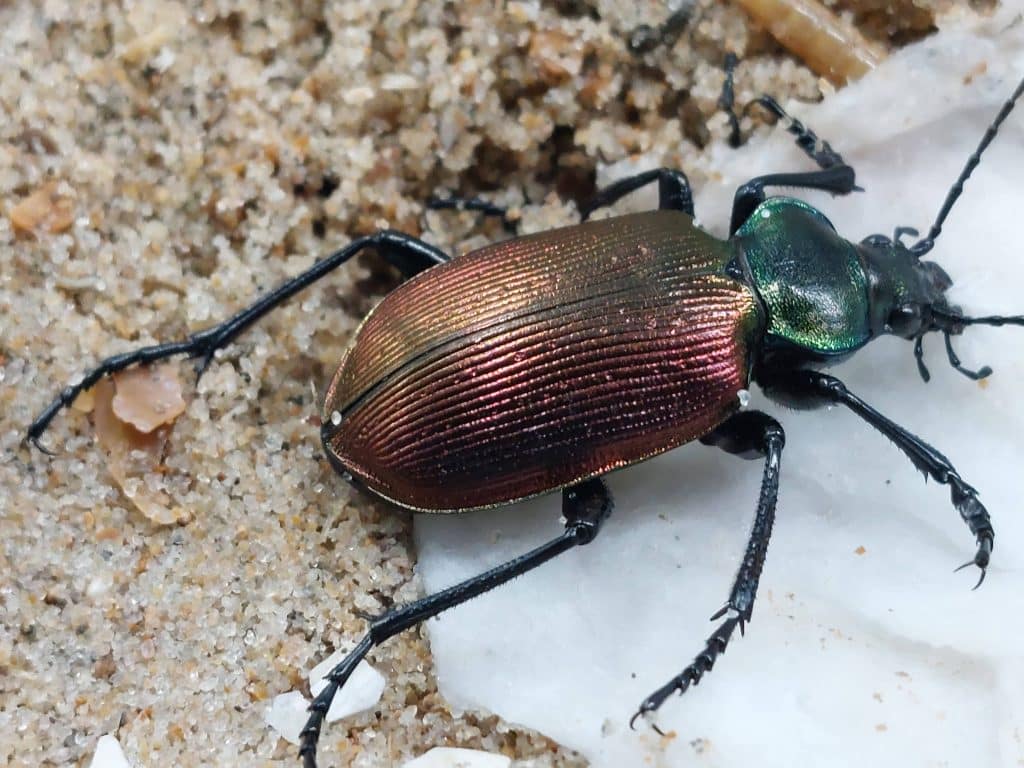
- For the first time in Europe, we succeeded in rearing and feeding the forest caterpillar hunter, a beetle species that can be used to manage the oak processionary, in the laboratory for two years.
- The ‘Guideline for Controlling Oak Processionary’ helps local authorities determine their own approach to managing this pest species.
- With the film “A Community of Life – The Story of a Caterpillar,” we aim to shift the mindset from combating to managing and coexisting with the caterpillar.
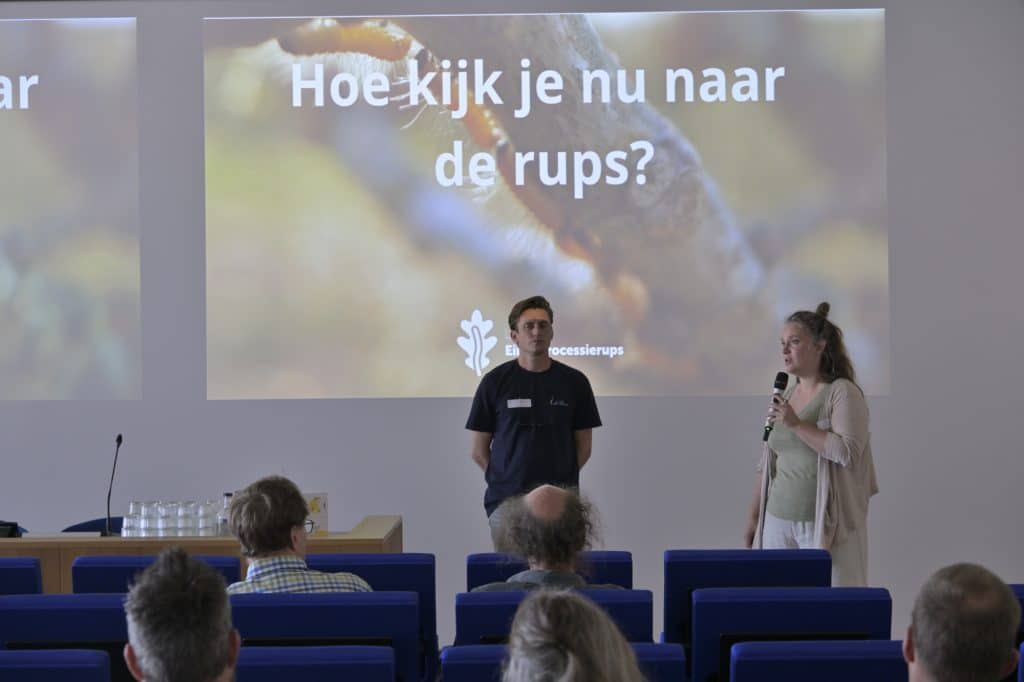
- In June 2025, we presented the results of five years of research at two policy symposia in Utrecht and Brussels.
- At the launch event of our international expert group on oak and pine processionary caterpillars, in June 2025, 21 scientists from five countries met for a full day of presentations and discussions.
- Over the past five years, we published 16 newsletters to more than 550 subscribers, had more than 12.000 unique visits to our website and Facebook sites, and received more than 1000 visitors at our events and demo moments.
- The project received significant news coverage, including more than 25 articles in local and national press, 7 radio interviews, and 4 mentions on national television channels.
We report this information not only to LIFE, but also here on the website (in the knowledge sharing section), through the newsletter, and on the Facebook page. To extend the life of the results, conclusions, and recommendations, they are also published on Ecopedia, the website where all knowledge about nature, green spaces, and forest management in Flanders is collected. For the Netherlands, the “Kennisplatform Eikenprocessierups” remains the primary source of information about the caterpillar.
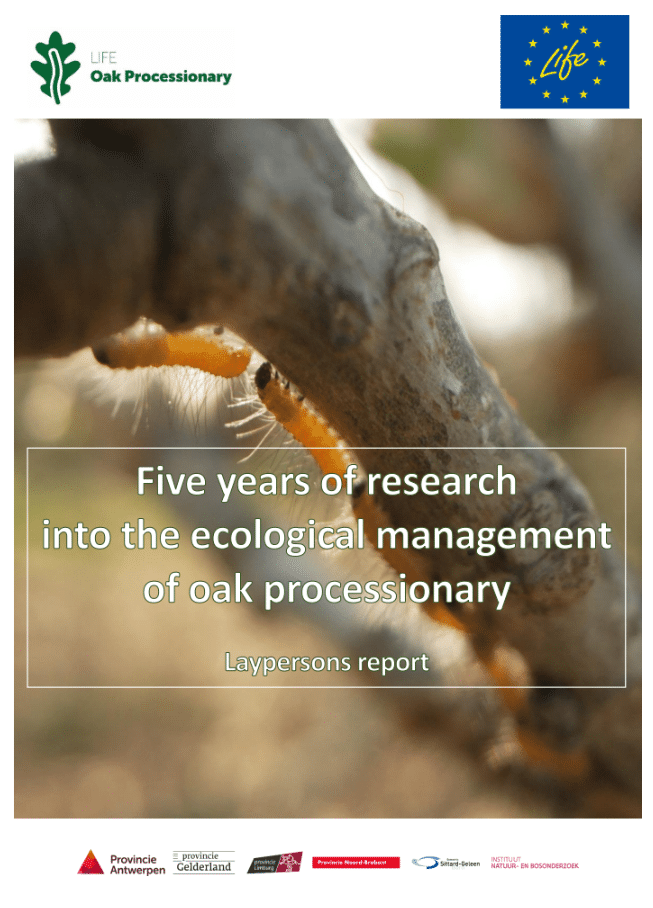
One of the most important documents is the public report. In it, we compile the project’s results into a single, clear, and readable document. We review the issues, objectives, the methods tested, what we were able to demonstrate and what we were unable to demonstrate, the results of the socio-economic study, and, above all, what the project has meant for and delivered to the Netherlands, Flanders, and Europe.
If, like us, you would like to look back on five years of LIFE Oak Processionary, you can find the public report here.
More information about the project’s other outputs, such as the film “A Community of Life” and the practical guide, can be found on the knowledge sharing page.
And what happens next?
This isn’t the last time you’ll hear from us. In fact, we have much more to share.
First and foremost, our film “Een Gemeenschap van Leven – Het relaas van een rups” (“A Community of Life – The Story of a Caterpillar”) is making further rounds at Dutch and Flemish cinemas, cultural centers, and events—you can read more about that in this article. The new “Guideline for controlling Oak Processionary” provide local governments facing the problem with guidelines on how to address it and minimize the nuisance. This also includes a template for creating your own oak processionary management plan.
Furthermore, several studies are ongoing—such as the DNA analysis of the pollen we found on our parasitic flies, which should reveal which plants are important for attracting more of these allies. More on that later.
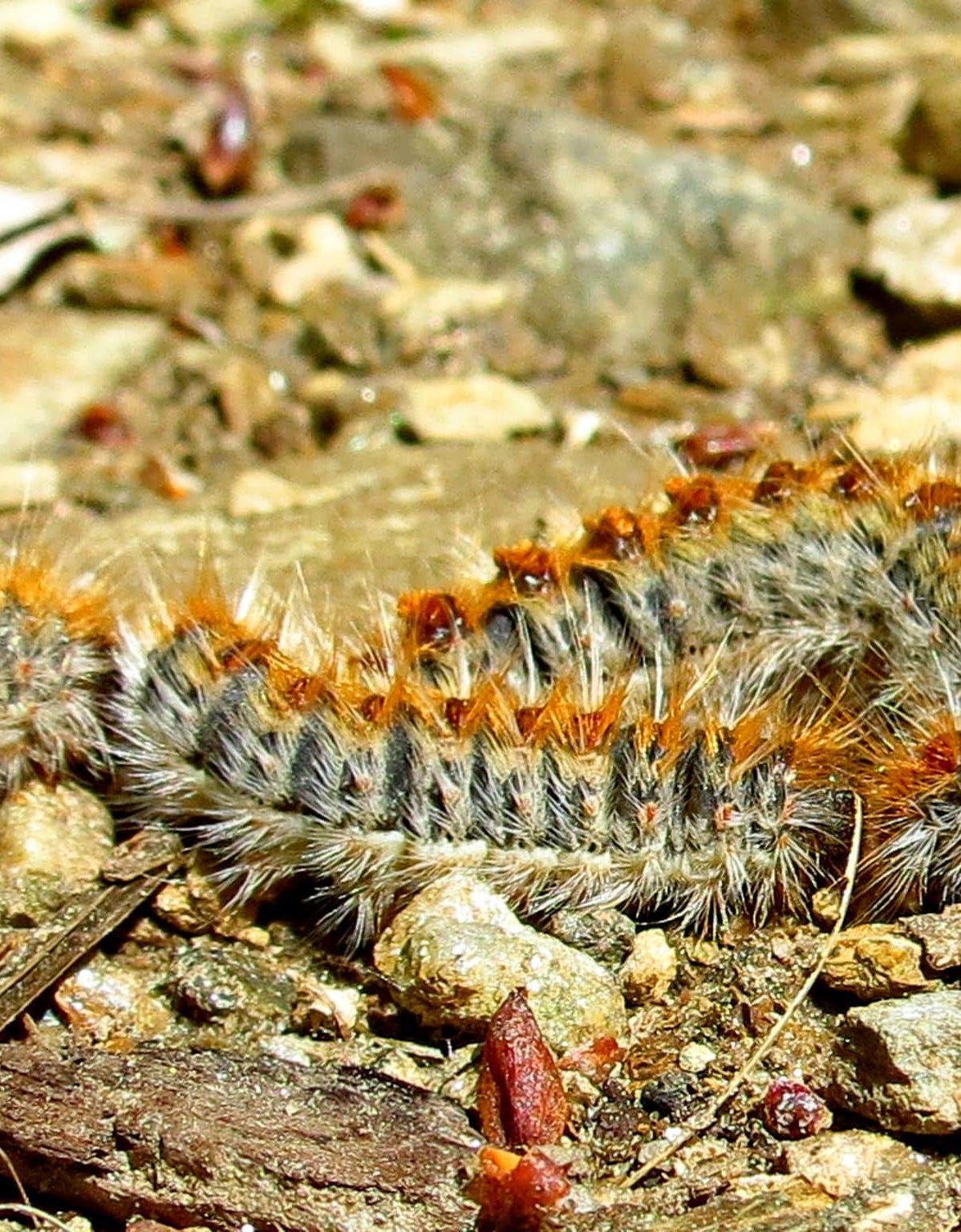
And finally, a new threat is looming. Pine processionary moths, the exotic but equally annoying cousin of our own oak processionary, have been spotted in Wallonia for several years. The species also appeared in Limburg, the Netherlands, in 2025.
Will this species colonize our pine forests as it has in Southern Europe? Can we control this species with the ecological measures we’ve implemented for the oak processionary?
For now we can only guess, but in France and other southern European countries research into the further migration of this species and possible management methods is already in full swing.